

Yes, your child can get a serious sunburn on a cloudy day. Up to 80% of solar UV radiation passes straight through cloud cover, and UVA rays stay nearly constant no matter what the sky looks like. A gray afternoon feels cooler, so it’s easy to assume the risk dropped too. It didn’t.
- Apply broad-spectrum sunscreen before you leave the house, cloudy or not.
- Check the UV Index for your area. If it reads 3 or higher, protect skin the same way you would on a sunny day.
Key Takeaways
Cloudy skies cut visible brightness far more than they cut UV, so protection routines should stay the same regardless of weather.
| Point | Details |
|---|---|
| Clouds don’t guarantee safety | A substantial portion of UV can pass through cloud cover, and UVA stays nearly constant. |
| Watch for enhancement spikes | Broken clouds can briefly push UV above clear-sky levels near cloud edges. |
| Peak hours still apply | UV is strongest from 10 a.m. to 4 p.m. daylight saving time, cloudy or not. |
| Layer, don’t guess | Combine SPF 30+ sunscreen with UPF 50+ clothing and hats rather than relying on one method. |
| BANZ hats close the gap | UPF 50+ hats with pocket or toggle designs give consistent coverage sunscreen alone can miss. |
Table of Contents
- Cloudy Day UV Exposure Starts With Understanding UVA and UVB
- Do Clouds Block UV Rays, or Can They Make It Worse?
- When Does Cloudy-Day UV Exposure Get Especially High?
- How to Protect Skin From UV on a Cloudy Day
- Sunburn First Aid: When Does It Need a Doctor?
- A Daily Cloudy Day Sun Protection Checklist
- Shop BANZ Sun Hats Built for Cloudy Days and Beyond
- Frequently Asked Questions
- Sources
Cloudy Day UV Exposure Starts With Understanding UVA and UVB
UVB rays are the ones that cause visible sunburn and play the biggest role in skin cancer risk. UVA rays penetrate deeper, driving premature aging and cumulative DNA damage you can’t see happening. Clouds block more UVB than UVA, but neither type disappears just because the sun isn’t visible.
That distinction matters for how you plan a day outdoors:
- UVA passes through clouds, glass, and even light shade almost unchanged.
- UVB varies more with cloud thickness, but a “hazy” sky still lets meaningful amounts through.
- The UV Index, not the temperature or brightness outside, is the number that tells you what’s actually happening overhead.
Do Clouds Block UV Rays, or Can They Make It Worse?
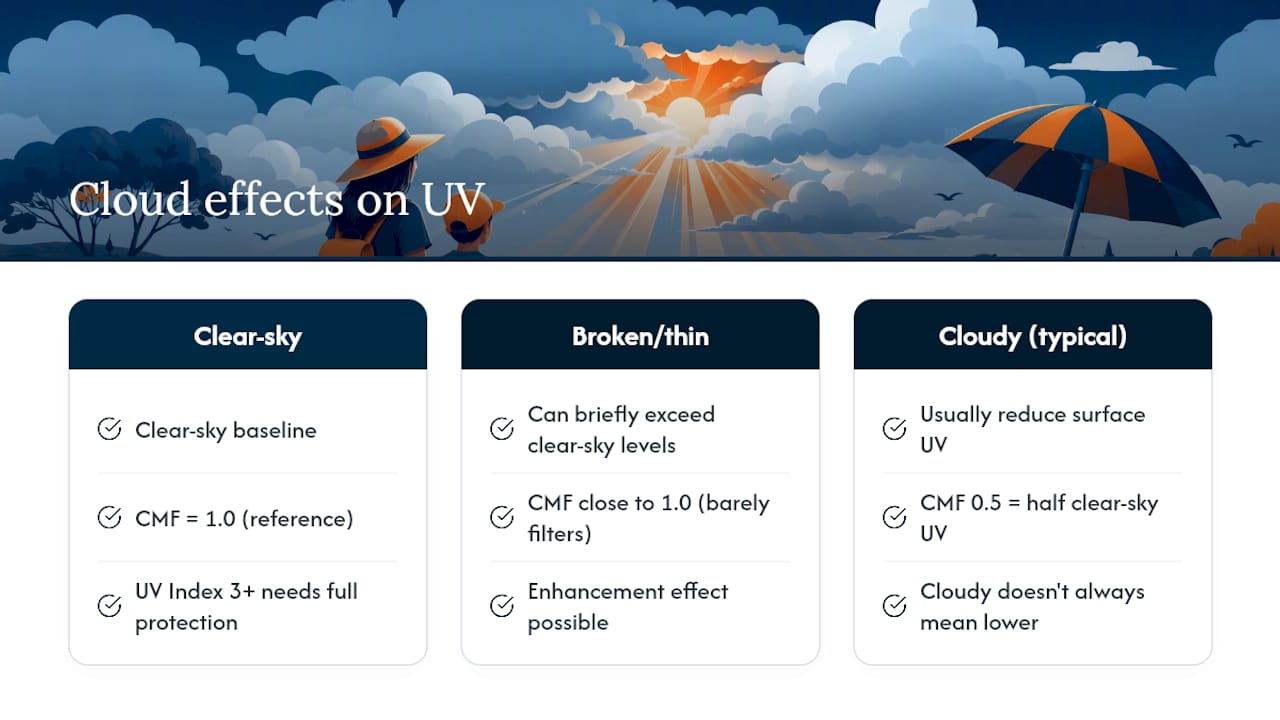
Clouds usually cut UV exposure, but not reliably and not by much in many cases. A review of empirical cloud studies published in Reviews of Geophysics found that overcast skies typically produce a cloud modification factor, or CMF, of roughly 0.3 to 0.7. A thin, high haze barely dents UV. A dense, low overcast cuts it substantially.
Cloud modification factor: A CMF of 0.5 means UV at the surface is roughly half of what it would be under a clear sky. A CMF near 1.0 means clouds are doing almost nothing to reduce exposure.
Here’s the part most people never hear about: broken or scattered clouds can occasionally increase UV above clear-sky levels for brief stretches. This is the cloud-enhancement effect, and it happens when sunlight reflects and scatters off cloud edges at just the right angle relative to the sun. Snopes confirmed the effect is real but localized, tied to specific cloud geometry rather than a general rule about partly cloudy days. Picture kids playing under a sky with fast-moving puffy clouds. The gloom passes, the sun peeks through a gap, and for a few minutes UV exposure can spike higher than it would on a clean, sunny day. Visual gloom is simply not a dependable safety gauge.
When Does Cloudy-Day UV Exposure Get Especially High?
A few conditions stack the odds against you, cloud cover or not.
- Time of day. UV is strongest between 10 a.m. and 4 p.m. daylight saving time, and that window holds true whether the sky is blue or gray.
- Altitude and latitude. UV intensity increases with elevation and gets stronger closer to the equator, since there’s less atmosphere to filter it.
- Season. Late spring through late summer brings the sun higher in the sky, which raises baseline UV even under clouds.
- Reflective surfaces. Snow, water, sand, and light-colored concrete all bounce UV back up at skin that’s already getting hit from above. A family playing near a lake on an overcast afternoon can rack up more exposure than they’d expect, especially kids splashing near the shoreline where reflected UV compounds the dose.
How to Protect Skin From UV on a Cloudy Day
Treat every outing the way you’d treat a sunny one. That’s the whole strategy in one sentence, and it’s backed by pediatric guidance recommending a layered approach for children: sunscreen plus physical barriers, not one or the other.
- Sunscreen: Broad-spectrum sunscreen with appropriate SPF, applied before heading outside. Reapply every two hours, or immediately after swimming or heavy sweating.
- Clothing: UPF 50+ fabric blocks UV far more consistently than sunscreen alone, which parents often underapply or forget to reapply.
- Hats: A wide-brim, UPF-rated hat covers the scalp, ears, and neck, spots sunscreen frequently misses.
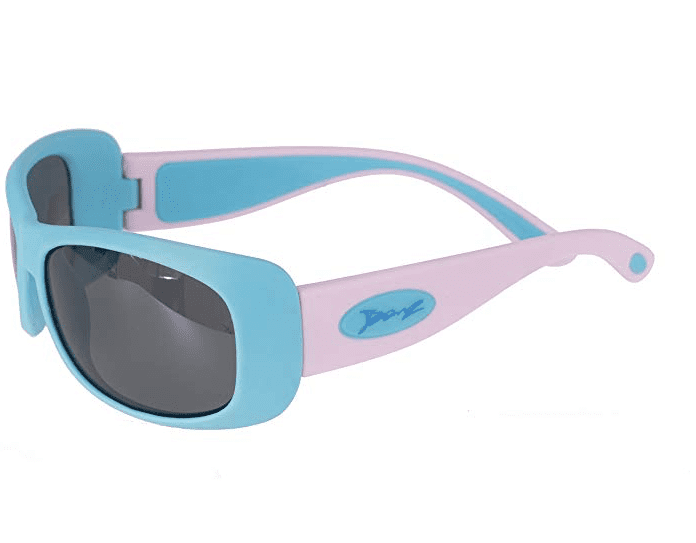
- Sunglasses: Wraparound styles with UVA/UVB protection matter just as much under clouds as under direct sun.
For toddlers who won’t sit still for a sunscreen touch-up every two hours, a hat that stays on does more work with less effort. BANZ’s UPF 50+ sun hat with a secure toggle is built for exactly that problem, giving consistent coverage that doesn’t depend on remembering the next reapplication.
Pro Tip: Never use temperature as your cue. A breezy, overcast 68-degree afternoon can carry the same UV load as a still, 85-degree sunny one. Check the UV Index instead of the thermometer.
Babies under 6 months should stay in shade as the primary defense, since their skin is more sensitive and sunscreen use on infants that young should follow a pediatrician’s guidance; consider installing top weather resistant outdoor shades for durable living to create reliable, protective shaded areas for the whole family. For older kids, build the routine into departure time: hat on, sunscreen applied, sunglasses in the bag, every single time you head out, cloudy or not.
Sunburn First Aid: When Does It Need a Doctor?
Mild redness responds well to cool compresses, extra water, over-the-counter pain relief, and a fragrance-free moisturizer. Watch for red flags that go beyond home care: fever, widespread blistering, signs of infection like pus or increasing pain after a day or two, or any burn on an infant under 12 months. Any of those warrants a call to your pediatrician. Prevention through layered protection remains far easier than treating a burn after the fact.
A Daily Cloudy Day Sun Protection Checklist
Build this into your morning routine, rain or shine:
- Check the UV Index on your phone or the free BANZ Protect app before leaving the house.
- Pack sunscreen and apply it 15 to 30 minutes ahead of time.
- Dress kids in UPF 50+ clothing and a hat that actually stays on. BANZ’s pocket-style UPF 50+ sun hat folds down small enough to keep in a diaper bag as a backup.
- Grab wraparound sunglasses, especially near water, sand, or snow where glare and reflection add up.
- Set a reminder for reapplication every two hours, or right after swimming.
Pro Tip: The BANZ Protect app sends real-time UV alerts, so you don’t have to remember to check manually every time the sky changes.
A note on why this guidance holds up
We built this guide around peer-reviewed cloud research and public health agency guidance, not assumptions about what gray skies mean for exposure. Parents don’t need more scare tactics. They need a clear, evidence-based routine they can actually follow, which is the same standard BANZ® applies to every safety resource it publishes.
Shop BANZ Sun Hats Built for Cloudy Days and Beyond
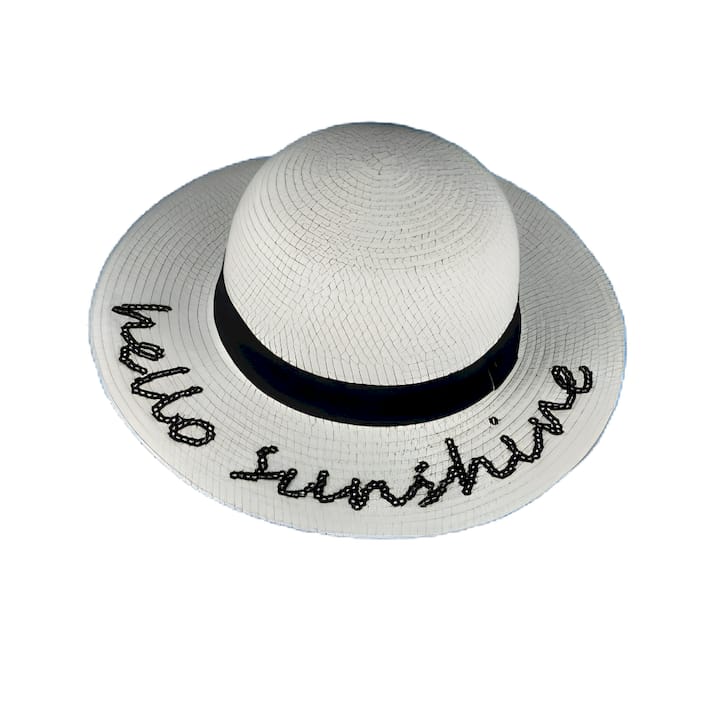
BANZ makes three UPF 50+ sun hats worth knowing for exactly the scenario this article covers. The pocket-style hat folds flat for a diaper bag or stroller pocket, so it’s always within reach when the sky looks deceptively mild. The toggle-adjustable hat stays put on toddlers who yank at anything loose. For older kids who want a say in what they wear, the Hello Sunshine sequin sunhat delivers the same UPF 50+ coverage with a style kids will actually keep on.
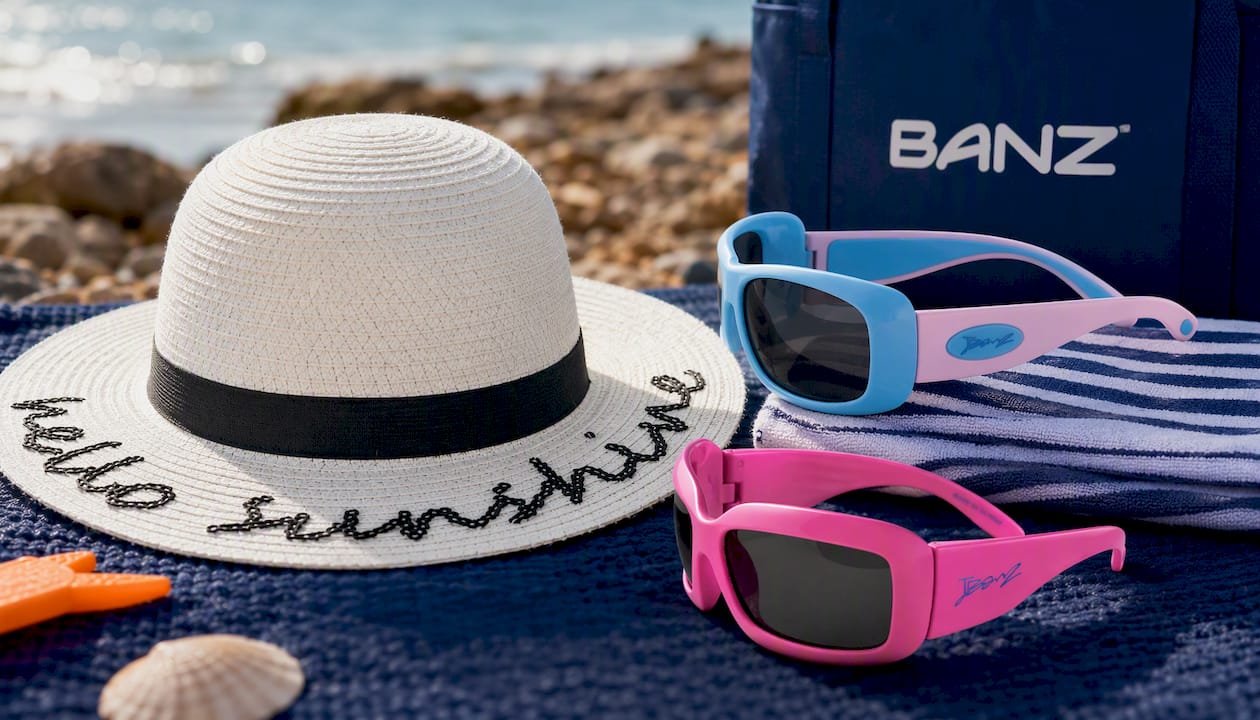
A hat you forget to pack does nothing. That’s the real gap sunscreen alone can’t close, since reapplication depends on remembering, and a folded hat in the bag doesn’t. Before buying, always check current stock on the product page since availability shifts by size and print. Browse the full kids’ sun safety resource library for printable checklists, or head straight to the sun hat guide to find the right fit for your child’s head size, then shop the hat that matches your family’s next outing.
Frequently Asked Questions
Is UV higher on cloudy days than sunny days? Usually not overall, since clouds typically reduce surface UV. But broken or thin clouds can briefly push UV above clear-sky levels through the enhancement effect, so “cloudy” doesn’t always mean “lower.”
Can kids get sunburned on a cloudy day? Yes. Sunburn depends on UV exposure, not visible sunlight or temperature, and enough UV penetrates most cloud cover to burn unprotected skin.
What is a cloud modification factor? It’s a measure of how much clouds reduce UV compared to a clear sky. A CMF of 0.5 means half the clear-sky UV is reaching the ground, while a CMF close to 1.0 means clouds are barely filtering anything.
Do I still need sunscreen if it’s overcast? Yes, apply broad-spectrum SPF 30+ the same way you would on a sunny day, and pair it with UPF 50+ clothing for kids who won’t sit still for reapplication.
How do I know if UV is dangerous outside without checking the sky? Check the UV Index rather than the weather. A reading of 3 or higher calls for full sun protection, regardless of cloud cover or temperature.
This article is general information, not a substitute for advice from a qualified doctor. Consult a qualified healthcare professional about your own circumstances before acting on anything here.
Sources
- Ultraviolet (UV) radiation and sun exposure — EPA
- Sun safety | Skin Cancer | CDC
- How to protect kids from the sun — Children’s Hospital of Philadelphia (CHOP)
- Are the sun’s UV rays stronger on cloudy days? — Snopes
