

TL;DR:
- Children benefit most from earmuffs, earplugs, or music-filter protectors based on their age and environment. Proper fit, consistent use, and selecting the right noise reduction level are essential for effective hearing protection. Habit formation and preferences improve compliance, reducing the risk of permanent hearing damage from loud noise exposures.
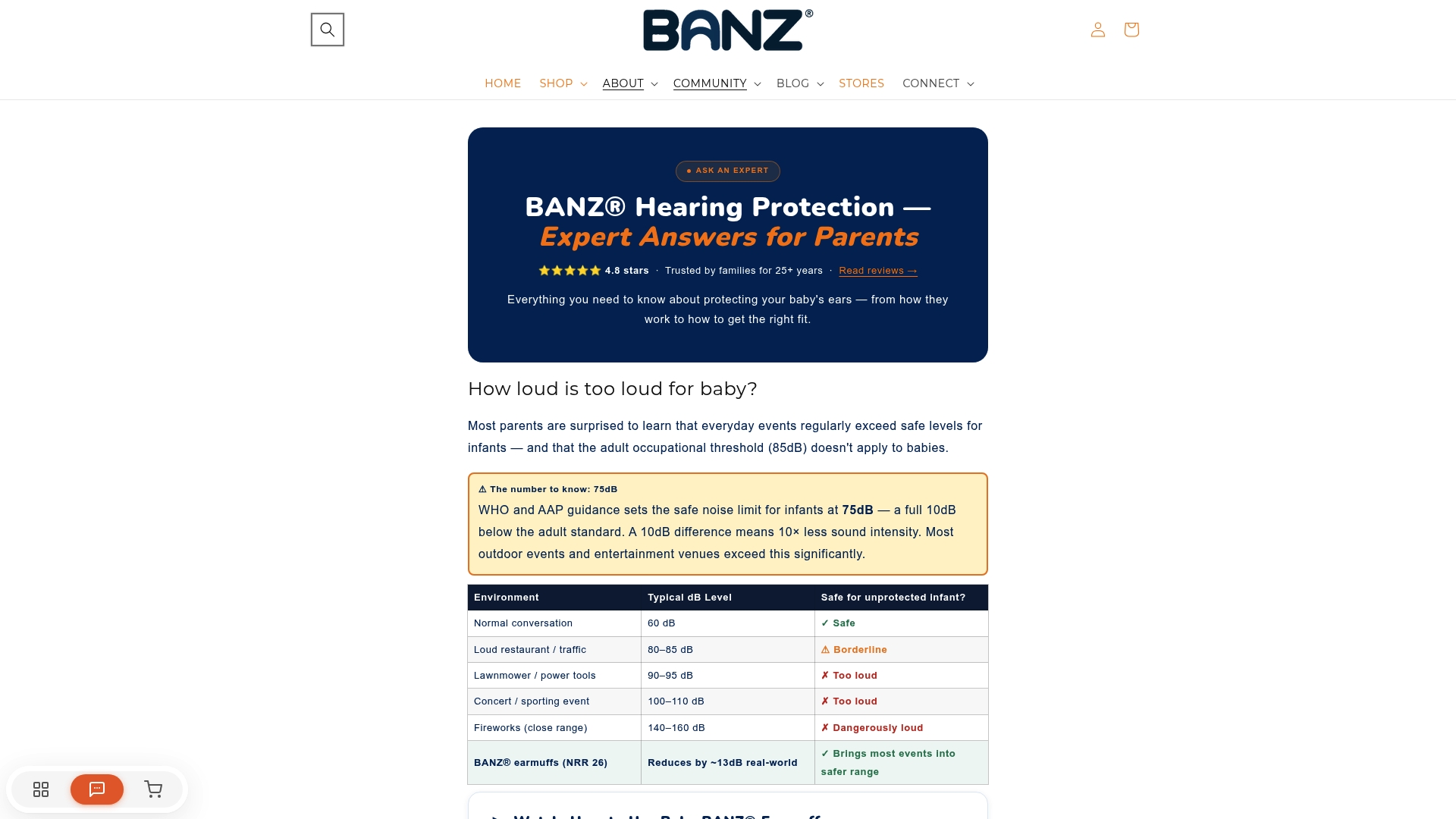
Hearing protection styles for children fall into four main categories: over-ear earmuffs, foam earplugs, silicone earplugs, and music-filter earplugs. Each type suits a different age group, noise level, and sensory need. The danger zone for hearing damage begins at 85 decibels, and fireworks can reach 140–160 decibels, causing immediate harm. That gap between safe and dangerous is why choosing the right style matters as much as choosing to protect at all. BANZ has spent years helping parents navigate exactly this decision, and the options available in 2026 are better than ever.
1. What are the primary hearing protection styles for children?
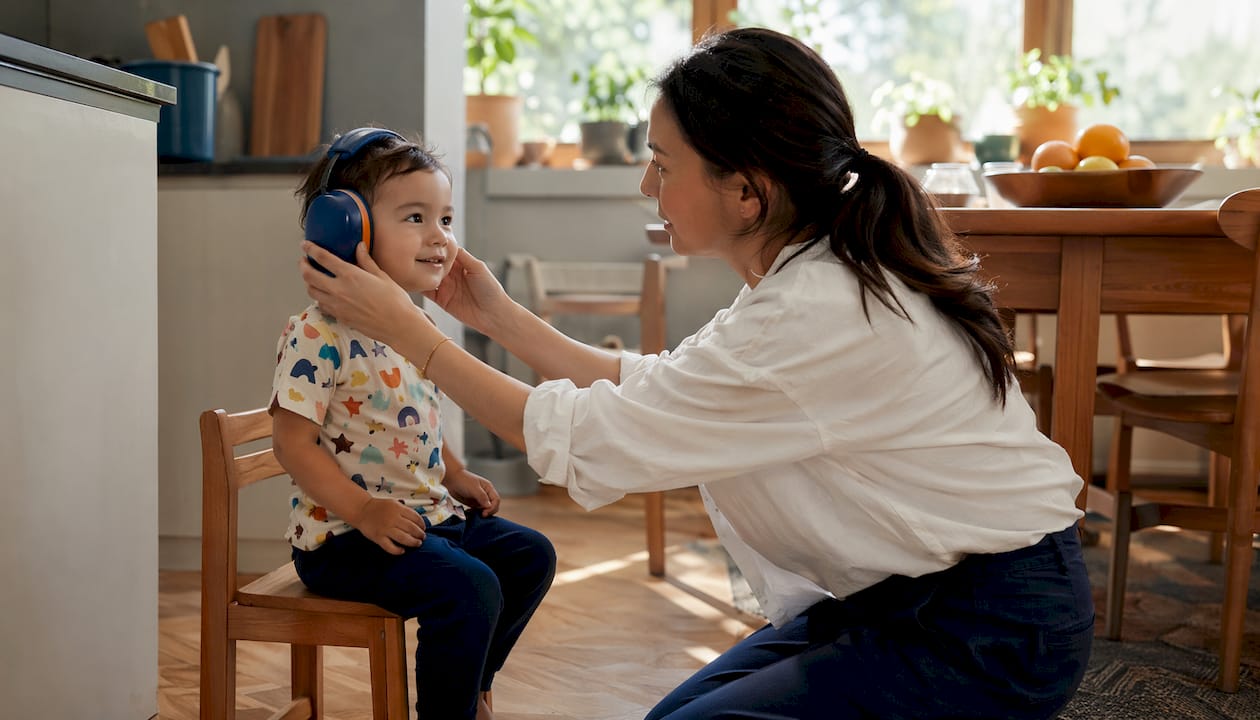
Over-ear earmuffs are the most widely recommended style for children. They sit over the entire ear, require no insertion, and are easy for parents to verify that a child is actually wearing them. For infants and toddlers, earmuffs are the only practical option since small ear canals make plugs unsafe and ineffective.
Foam earplugs are lightweight and portable, making them a reasonable choice for older children who can insert them correctly. They compress, expand inside the ear canal, and deliver solid noise reduction at a low cost. The drawback is fit: a poorly inserted foam plug drops its protective value significantly, and fit and comfort are critical to effective hearing protection.
Silicone earplugs are reusable and hypoallergenic, which makes them a strong option for children with sensitive skin or mild sensory sensitivities. They mold to the shape of the ear canal without the need for deep insertion. Parents who need a washable, durable option often prefer silicone over foam.
Music-filter earplugs use a specialized filter to reduce sound evenly, preserving speech and music clarity while lowering overall volume. They work well at concerts, festivals, and school performances where a child still needs to hear what is happening around them. These are best suited for children aged 8 and older who can manage the insertion process independently.
Pro Tip: For children with sensory processing challenges, sensory-friendly earmuffs with padded headbands and adjustable sizing reduce the chance of refusal and make consistent wear far more achievable.
2. How to select the right style for your child’s age and environment
Age is the first filter. Infants and toddlers need over-ear earmuffs with a soft, adjustable headband and a low clamping force. Older children, typically 6 and up, can begin using earplugs if they receive proper instruction on insertion. Teenagers can use any style, though music-filter earplugs are particularly relevant for concert attendance.
Sensory needs come second. Children with sensory processing disorders often resist anything that touches their ears or head. Children with sensory sensitivities benefit from options designed with comfort and adaptability in mind, such as earmuffs with extra-soft cushions and minimal clamping pressure.
Noise level determines the required Noise Reduction Rating, or NRR. Experts recommend the following:
- Moderate noise environments (sporting events, loud restaurants): NRR 20–25 dB
- High-intensity events (concerts, motorsports, fireworks): NRR 25–30+ dB
- Extremely loud environments (air shows, demolition sites): Consider combining earmuffs and earplugs for maximum protection
- Everyday indoor noise (cinemas, arcades): NRR 20 dB is generally sufficient for short exposures
Duration matters as well. The 60/60 rule applies to headphone use: limit volume to 60% for no longer than 60 minutes at a time. This principle extends to any situation where a child is exposed to sustained noise without certified protection.
Pro Tip: Check the fit every time you put earmuffs on your child. A gap as small as a finger’s width between the cushion and the ear can cut the effective NRR by half.
3. Comparing hearing protection styles: noise reduction, comfort, and practicality
Each style has a distinct profile of strengths and trade-offs. The table below gives you a direct comparison across the features that matter most for children.
| Style | NRR range | Comfort for young kids | Ease of cleaning | Best for |
|---|---|---|---|---|
| Over-ear earmuffs | 22–31 dB | High | Wipe clean | Infants, toddlers, sensory needs |
| Foam earplugs | 20–33 dB | Low (requires insertion) | Single use | Older kids, travel |
| Silicone earplugs | 20–27 dB | Medium | Washable | Kids with skin sensitivity |
| Music-filter earplugs | 15–25 dB | Medium | Rinse clean | Concerts, school events |
Over-ear earmuffs win on comfort and ease of use for the youngest children. They are hard to misplace, visible to parents from a distance, and require no technique to put on correctly. The trade-off is bulk: they are larger to carry and can feel warm in summer heat.
Foam earplugs deliver the highest raw NRR numbers, but that rating assumes a perfect fit. Most children cannot achieve a perfect fit without practice. Silicone earplugs close that gap slightly because they do not require deep canal insertion. Music-filter earplugs sacrifice some noise reduction in exchange for sound quality, which is the right trade-off at a school concert but the wrong one at a fireworks display.
For outdoor events with loud noise, over-ear earmuffs remain the most reliable choice for children under 8. Older children who have practiced earplug insertion can use silicone or music-filter options depending on the setting.
4. What about noise-canceling headphones?
Noise-canceling headphones are not a substitute for certified hearing protection. They reduce steady background sounds like airplane cabin noise or traffic hum, but they do not protect against sudden loud bursts like fireworks or starting guns. Certified NRR-rated ear protection is the correct choice for any environment with unpredictable or high-intensity noise.
Parents often reach for noise-canceling headphones because children already own them for music or travel. The technology is genuinely useful for reducing fatigue in noisy environments, but it carries no NRR certification and provides no guarantee of protection at the decibel levels that cause damage. Think of noise-canceling headphones as a comfort tool, not a safety device.
If your child wears noise-canceling headphones for music, apply the 60/60 rule regardless. Volume levels on children’s devices are frequently set higher than parents realize, and volume control is essential in daily hearing protection practice.
5. Tips for getting children to wear hearing protection consistently
Consistent wear is the only way hearing protection works. A perfectly rated earmuff sitting on a stroller armrest protects no one. The strategies below address the most common reasons children resist wearing protection.
- Introduce protection in calm settings first. Put earmuffs on your child at home during a movie or a noisy dinner before using them at a loud event. Familiarity reduces resistance.
- Let children choose the color or style. Children who pick their own earmuffs are more likely to wear them without argument. BANZ offers a range of colors and patterns sized for different ages.
- Treat it like a seatbelt. Audiologist Michelle Woodward advises treating hearing protection like sunscreen or seatbelts, making it a non-negotiable part of the routine rather than an optional add-on.
- Teach children to name their discomfort. Ask your child to tell you when sounds feel “too big” or “too sharp.” This language gives them agency and helps you catch hearing fatigue early.
- Watch for signs of hearing fatigue. Irritability after loud events, asking for things to be repeated, or turning up the TV louder than usual are all signals worth noting.
- Use indoor entertainment outings as practice runs. Cinemas and arcades are lower-stakes environments where children can get used to wearing earmuffs before a high-noise event.
Children with sensory processing disorders need extra patience during this process. Start with shorter wear times and gradually increase duration as the child builds tolerance. Reward the behavior, not the outcome.
Key takeaways
The most effective hearing protection for children is the style they will actually wear consistently, fitted correctly, and rated for the noise level they face.
| Point | Details |
|---|---|
| Start with earmuffs for young children | Over-ear earmuffs are the safest, most practical option for infants and toddlers. |
| Match NRR to the environment | Use NRR 20–25 dB for moderate noise and NRR 25–30+ dB for concerts or fireworks. |
| Noise-canceling is not protection | Noise-canceling headphones carry no NRR rating and fail against sudden loud sounds. |
| Fit determines effectiveness | A poor fit cuts the actual NRR significantly, regardless of the product’s listed rating. |
| Build the habit early | Treating ear protection like a seatbelt from infancy makes consistent wear far more likely. |
Why I think parents underestimate this problem
I have spoken with hundreds of parents who are diligent about sunscreen and car seats but have never once thought about their child’s hearing at a Fourth of July fireworks show. The reason is simple: hearing loss from hair cell damage is permanent, but it is also invisible and painless in the moment. A sunburn shows up the next morning. Noise-induced hearing loss shows up years later, and by then there is nothing to do about it.
What I have found actually works is removing the decision from the moment of the event. If earmuffs are already in the bag, already associated with fun outings, and already part of what your child expects to put on, the battle is over before it starts. The parents who struggle are the ones who pull out protection for the first time at a stadium gate while their child is already overwhelmed.
The style question matters, but it matters less than the habit question. A child who wears a mid-range earmuff every single time is better protected than a child who owns a top-rated pair that stays in the car. Pick the style your child tolerates best, get the fit right, and make it routine.
— Shari M. Murphy
BANZ hearing protection for every child and every setting
BANZ designs earmuffs and hearing protection accessories specifically for children, from newborns through school age. Every product is built around certified noise reduction, soft materials, and sizing that actually fits a child’s head.
Parents of children with sensory sensitivities will find the BANZ sensory earmuff range particularly useful. These earmuffs are designed with extra-soft cushions, adjustable headbands, and lower clamping force to reduce the chance of refusal. BANZ also offers age-specific guidance to help you choose between baby and kids earmuffs based on head size and noise exposure. Over 2 million families across six continents trust BANZ for children’s hearing safety.
FAQ
What is the best hearing protection style for toddlers?
Over-ear earmuffs are the best option for toddlers. They require no insertion, are easy to fit correctly, and are visible to parents, making it simple to confirm the child is wearing them.
Are noise-canceling headphones safe for children at loud events?
Noise-canceling headphones are not rated for hearing protection and do not guard against sudden loud sounds like fireworks. Use certified NRR-rated earmuffs or earplugs at any high-noise event.
What NRR rating do children need for fireworks?
Experts recommend an NRR of 25–30+ dB for high-intensity events like fireworks displays. This level of protection reduces exposure to a safe range even when sound peaks above 140 decibels.
How do I get my child to keep earmuffs on?
Introduce earmuffs at home in calm settings before a loud event, let your child choose the color or style, and treat wearing them as a routine rather than a request. Consistency from an early age is the most effective approach.
Can children with sensory sensitivities wear hearing protection?
Yes. Children with sensory processing needs benefit from earmuffs designed with soft cushions, adjustable headbands, and low clamping pressure. Starting with short wear periods in familiar environments builds tolerance over time.
Recommended
- Kids Noise Safety Resource Library | Hearing Protection & Sensory Support | BANZ® – BANZ® Carewear USA
- Hearing Protection for Kids with Sensory Sensitivities – BANZ® Carewear USA
- Ear Protection in Indoor Entertainment: A Parent’s Guide – BANZ® Carewear USA
- Outer Ear Noise Protection for Kids at Loud Events – BANZ® Carewear USA
