

How moisture wicking sun protection works: the core mechanism
Moisture wicking sun protection fabrics do two jobs at once: they pull sweat away from your skin and block UV rays from reaching it. The result is a garment that keeps you dry and shielded during outdoor activity, without the heavy, soaked feeling of a standard cotton shirt.
The wicking side works through capillary action. Engineered synthetic fibers draw perspiration outward from the skin-facing layer to the outer surface of the fabric, where it spreads thin and evaporates quickly. The UV protection side works through fabric density, fiber type, dyes, and in performance apparel, UV-blocking additives. Standard garments typically offer low to moderate UPF, while performance apparel achieves high UPF ratings. High UPF fabrics block most UV radiation.
Here is what these fabrics deliver together:
- Pull sweat from skin to the outer fabric surface via capillary action
- Spread moisture across a wider surface area for faster evaporation
- Block UV radiation through tight weave, fiber density, and UV-absorbing treatments
- Regulate body temperature by enabling continuous sweat evaporation
- Stay lighter and more comfortable than cotton during prolonged sun exposure
The science behind capillary action and fiber engineering
Capillary action is the physical process that makes moisture wicking possible. It works the same way water travels up a paper towel: narrow channels between fibers create surface tension gradients that pull liquid along without any pump or pressure. In wicking fabrics, those channels are built directly into the fiber cross-section.
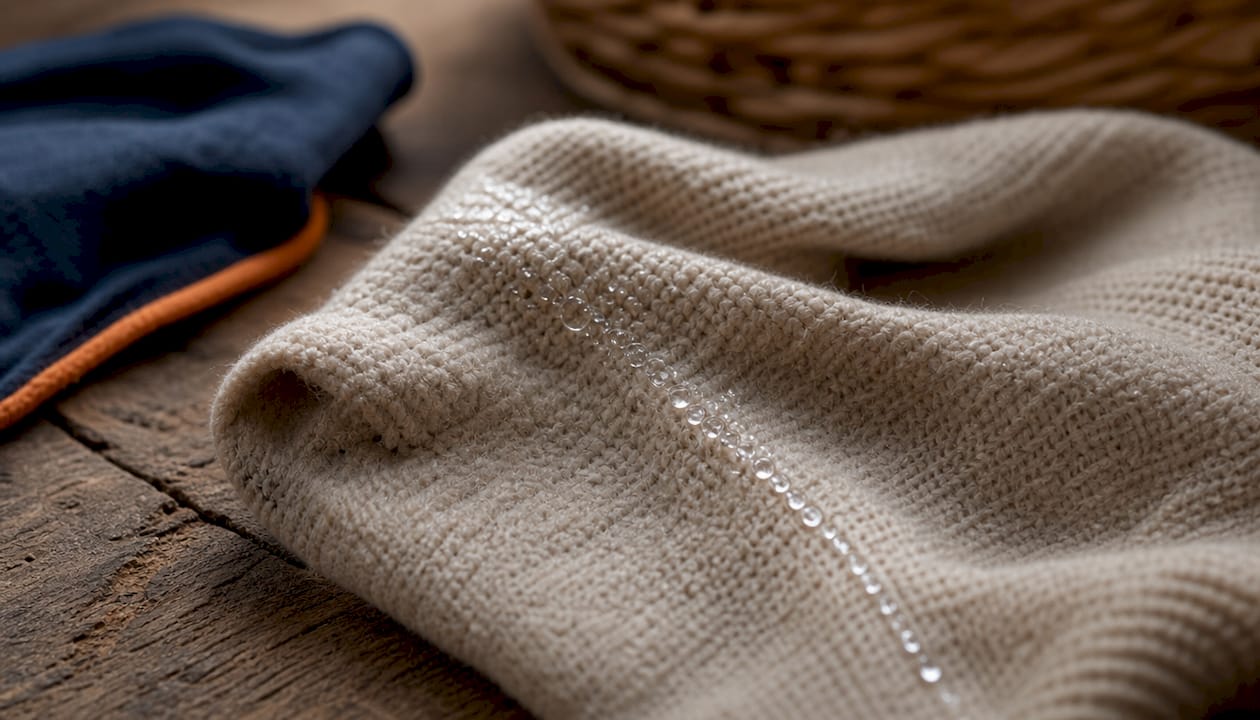
Synthetic fibers used in performance apparel are not round in cross-section like natural fibers. They are engineered into star, trilobal, or channeled shapes that multiply the surface area available for moisture transport. This geometry is what drives the wicking process. The mechanical wicking process depends heavily on fabric construction and engineered fiber shapes rather than surface chemical treatments.
Key scientific concepts behind the process:
- Capillary action: Surface tension in narrow fiber channels pulls moisture outward without external force
- Fiber cross-section geometry: Non-round shapes create more channels and greater wicking speed
- Hydrophilic inner layer: The skin-facing side attracts moisture and draws it in
- Hydrophobic outer layer: The outer side repels moisture, pushing it to spread and evaporate
- Mechanical vs. chemical wicking: Fiber structure drives performance; chemical finishes add to it but cannot replace it
One practical consequence of that directional design: wearing a wicking garment inside out traps moisture against the skin instead of moving it outward, defeating the cooling effect entirely.
Pro Tip: Check the care label for fiber content before buying. A garment labeled “moisture management” without listing a synthetic fiber content is likely relying on a chemical finish alone, which degrades faster than a structurally engineered fabric.
What fabrics are used in moisture wicking sun protection clothing?
Polyester is the most common fiber in moisture wicking sun protective fabrics. It is hydrophobic by nature, which means it does not absorb water into the fiber itself. Instead, moisture travels along the fiber surface and through the channels between fibers, reaching the outer layer quickly.
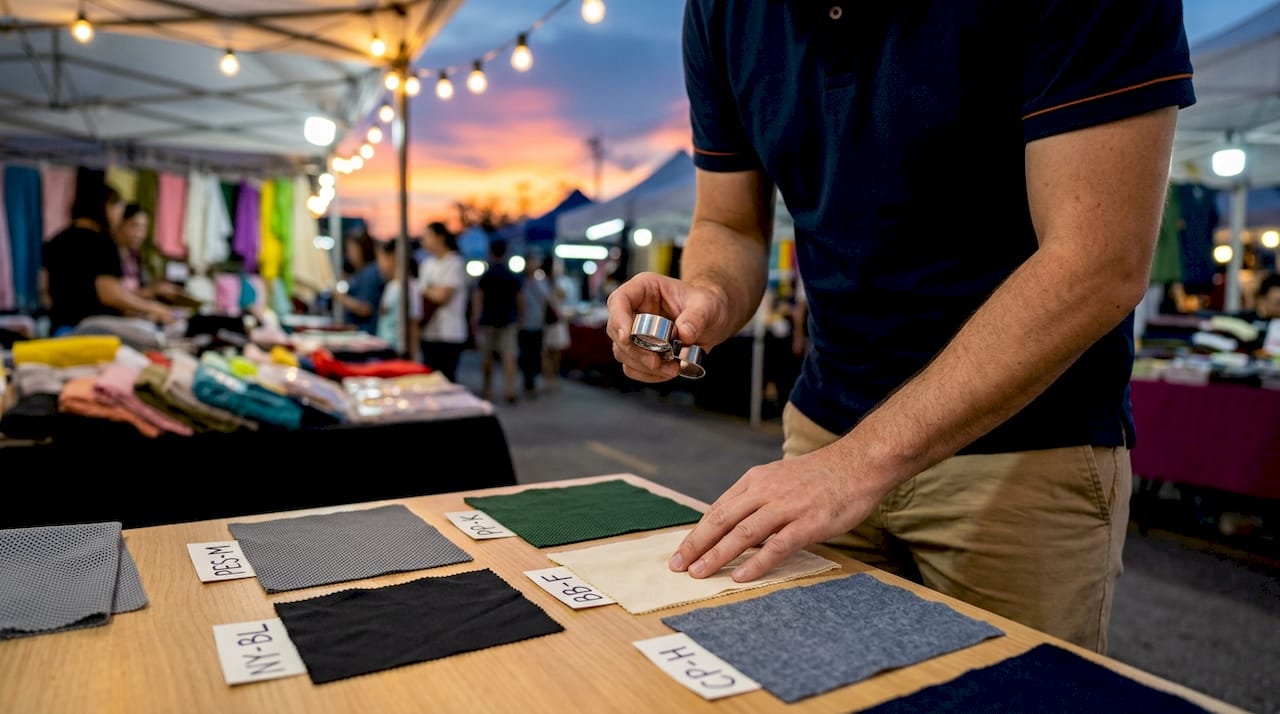
Nylon offers similar wicking behavior with added durability and a softer hand feel, making it common in swim and rash guard applications. Polylactic acid blends, derived from plant starches, are a newer option. A polylactic acid and boron nitride composite fabric with directional sweat wicking and high solar reflectance reduces skin temperature by up to 2°C under direct sunlight compared to cotton.
Common fabrics and their roles:
- Polyester: Hydrophobic, fast-drying, holds UV-blocking treatments well, widely used in UPF apparel
- Nylon: Durable, soft, excellent for water-adjacent sun protection like rash guards and swim shirts
- Polylactic acid blends: Plant-based, directional wicking, high solar reflectance for advanced cooling
- Mesh and open-knit constructions: Increase airflow and evaporation speed without sacrificing UV coverage
- Tight-woven technical fabrics: Maximize UV blocking through density while maintaining moisture transport
Fabric construction matters as much as fiber type. A loosely knit polyester shirt wicks well but may offer low UPF. A tightly woven version of the same fiber blocks more UV while retaining the wicking benefit.
What are the real benefits of moisture wicking for sun protection?
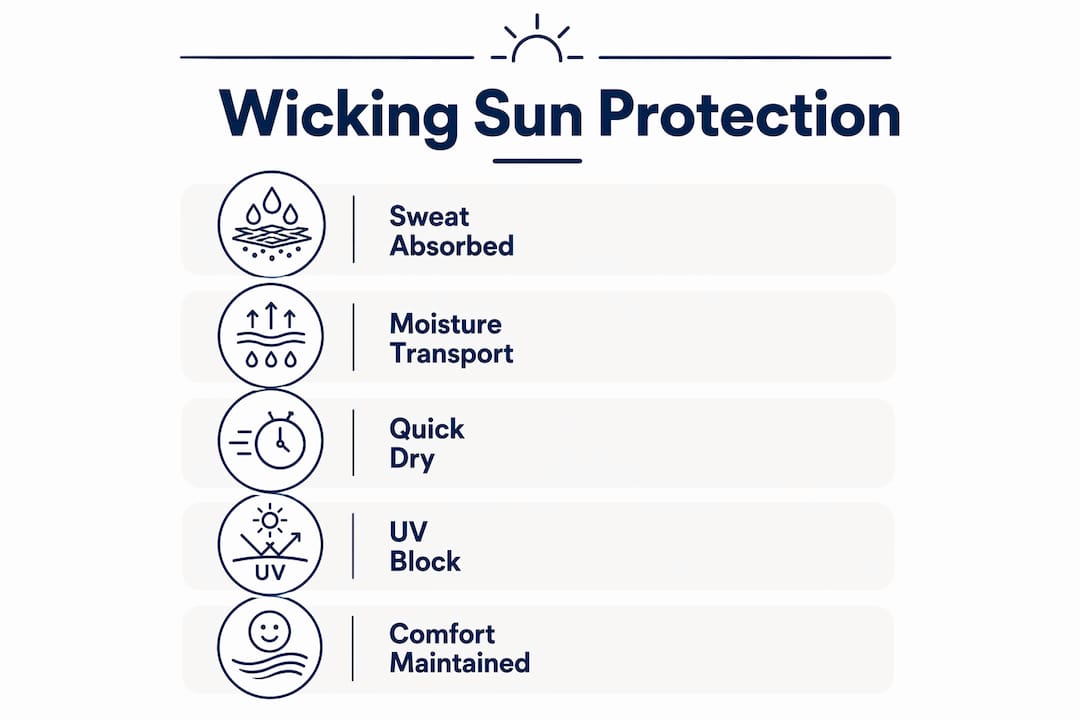
Staying dry is not just a comfort issue. When skin stays wet with sweat, the body has to work harder to cool itself, and wet fabric pressed against skin can actually reduce the effective UPF of the garment. Moisture wicking solves both problems at once.
Moisture wicking clothing helps regulate body temperature by enabling sweat evaporation, reducing the risk of overheating during extended outdoor activity. That thermal regulation directly supports longer, safer time outdoors, particularly in hot climates where heat stress is a real concern.
“Sun-protective clothing has become increasingly popular and is a nice addition to using sunscreen. Your best strategy is to avoid sun exposure when possible, and sun-protective clothing supports that goal.” — Harvard Health
Key benefits at a glance:
- Keeps skin dry, reducing friction, chafing, and heat buildup
- Supports consistent UPF performance by preventing wet fabric compression against skin
- Reduces overheating risk during extended outdoor exposure
- Lighter and more breathable than cotton alternatives
- Pairs effectively with sunscreen as part of a layered sun safety approach
For families spending hours outdoors, whether at the beach, a sports field, or a park, that combination of dry comfort and UV defense is what makes performance sun protection clothing worth choosing over a regular shirt.
How to care for moisture wicking sun protection clothing
Proper care preserves both the wicking function and the UV blocking performance of these garments. The two most common mistakes are using fabric softener and washing in hot water.
Fabric softeners coat fibers and clog the microscopic channels that enable moisture wicking, damaging fabric performance permanently. Once those channels are blocked, no amount of washing restores them. Hot water can degrade UV-blocking chemical treatments and cause synthetic fibers to break down faster.
Follow these care practices to maintain performance:
- Skip fabric softener entirely: It permanently blocks wicking channels in synthetic fibers
- Use a mild, fragrance-free detergent: Harsh detergents strip UV-blocking finishes over time
- Wash in cold or warm water: Hot water degrades both fiber structure and UV treatments
- Air dry when possible: High dryer heat weakens synthetic fibers and shortens garment life
- Turn garments inside out before washing: Reduces pilling on the outer surface and protects UV-blocking coatings
- Store clean and dry: Damp storage encourages odor and can degrade fiber performance
A garment that is cared for correctly will maintain its UPF rating and wicking speed through many seasons of use. One that is washed with softener may lose effective wicking after just a few cycles.
How fabric density and color affect UV defense
Fabric construction and color are passive, stable factors in UV protection. Unlike chemical UV treatments that can wash out or degrade, a tightly woven fabric and a dark color provide consistent blocking as long as the garment holds its structure.
Darker colors and higher density weave block more UV light, supplementing the moisture wicking benefits of performance fabrics. A dark navy polyester shirt with a tight weave will outperform a light gray loosely knit version of the same fiber on UV blocking, even if both carry a moisture wicking finish. Understanding how fabric weave affects UV blocking helps you make a more informed choice at the point of purchase.
“Fabric density and color are as crucial as chemical treatments in UV protection. Darker colors and tighter weaves block UV effectively and stably over time, making them a reliable foundation for sun-protective apparel.” — M.D. Anderson Cancer Center
Factors that determine UV blocking in sun protective fabrics:
- Weave tightness: Fewer gaps between fibers means fewer UV rays pass through
- Fabric weight and density: Heavier fabrics generally block more UV, though lightweight technical fabrics can achieve high UPF through construction
- Color depth: Darker dyes absorb more UV radiation before it reaches the skin
- Fiber type: Polyester and nylon absorb UV more effectively than unbleached cotton
- UV-blocking additives: Titanium dioxide and zinc oxide particles embedded in fibers provide additional absorption
The role of clothing color in sun protection is often underestimated. Choosing a darker shade in the same fabric can meaningfully increase UV defense without any change in cost or comfort.
How to choose effective moisture wicking sun protection clothing
Start with the UPF label. A garment without a UPF rating may still offer some protection, but you have no way to know how much. UPF 30+ provides solid protection for most outdoor activities; UPF 50+ is the right choice for extended sun exposure, especially for children.
Check the fiber content label next. Polyester or nylon as the primary fiber confirms structural wicking capability. A blend with more than 50% cotton will absorb sweat rather than transport it, regardless of any wicking finish applied to the surface.
Practical selection checklist:
- Look for UPF 30+ at minimum: UPF 50+ blocks 98% of UV radiation and is worth the upgrade for regular outdoor use
- Confirm synthetic fiber content: Polyester or nylon as the primary fiber ensures structural wicking, not just a surface treatment
- Choose darker colors for higher UV blocking: Same fabric, meaningfully better UV defense
- Check for a tight weave: Hold the fabric up to light; minimal light passing through indicates good UV density
- Prioritize fit: Stretched fabric loses UPF rating as the weave opens up; choose a relaxed fit for consistent protection
- Consider the activity: Water-adjacent activities need fabrics rated for wet UPF performance, since some fabrics lose UPF when wet
- Read care instructions before buying: A garment requiring dry cleaning or warm-water washing will be harder to maintain
For parents outfitting kids for outdoor activity, the sun safety gear checklist from BANZ covers the full range of protective clothing considerations, from hats to rash guards, in one practical reference.
Sun protective clothing works best as part of a complete approach. Pair it with broad-spectrum sunscreen on exposed skin, a wide-brim hat, and UV-blocking sunglasses. Clothing handles the covered areas reliably; sunscreen fills the gaps.
Key Takeaways
Moisture wicking sun protection works by combining engineered fiber geometry with UV-blocking fabric construction, keeping skin dry and shielded simultaneously.
| Point | Details |
|---|---|
| Capillary action drives wicking | Engineered fiber shapes create channels that pull sweat outward without chemical assistance. |
| UPF rating is the key spec | UPF 50+ blocks 98% of UV radiation; standard clothing typically provides a UPF between 5 and 15. |
| Fabric softener destroys performance | It permanently clogs wicking channels; avoid it entirely to preserve garment function. |
| Color and weave affect UV blocking | Darker colors and tighter weaves provide more stable UV defense than chemical treatments alone. |
| Fit affects UPF | Stretched fabric opens the weave and reduces UV blocking; choose a relaxed fit for consistent protection. |
