

Side and rear car windows let through far more UVA than most parents assume. Front windshields block about 94% of UVA rays, while the driver’s side window blocks only about 71%, leaving kids in back seats exposed on every sunny drive. The fix is layered, not complicated:
- Add clear UV-blocking window film or a properly sized, secure sunshade to side and rear windows.
- Dress kids in UPF 50+ clothing, hats, and wraparound sunglasses for the skin and eyes shades can’t cover.
- Check your state’s tint law before installing permanent film. A quick call to your DMV or a look at IWFA resources saves a fine later.
Key Takeaways
Layered UV protection, window film or a secure shade combined with UPF 50+ clothing and sunglasses, blocks far more UV than any single product alone.
| Point | Details |
|---|---|
| Side windows are the weak point | Side windows block roughly 71% of UVA versus 94% for windshields, so treat them as priority. |
| Film beats dark tint | Clear UV-blocking film can reject up to 99% of UV; darkness alone doesn’t indicate protection. |
| Choose child-safe shade styles | Over-door stretch shades resist toddler removal better than cling or magnetic styles. |
| Check state tint law first | Confirm VLT limits with your state DMV before installing permanent film. |
| Layer with BANZ® UPF gear | Pair window protection with BANZ® UPF 50+ hats and UV sunglasses, and check the BANZ Protect app before driving into high-UV conditions. |
This article is general information, not a substitute for advice from a qualified doctor. Consult a qualified healthcare professional about your own circumstances before acting on anything here.
Table of Contents
- How Car Windows Let UV Through: The Evidence Parents Need
- What Works: Film, Tint, Shades, and UPF Layers
- How to Choose and Install Kid-Friendly Car UV Protection
- Safety Limits and Common Mistakes Parents Make
- How BANZ® Fits Into a Layered Car Protection Plan
- When UV Exposure Risk Peaks During Car Rides
- What UV Exposure in a Car Actually Does to a Child’s Skin and Eyes
- Layering Beats Any Single Fix, and Most Families Skip a Step
- Shop the Layered Protection Kit for Car Trips
- Sources
How Car Windows Let UV Through: The Evidence Parents Need
Glass isn’t a uniform UV shield. Windshields are laminated, which sandwiches a plastic layer between two panes of glass and blocks nearly all UVB and most UVA as a side effect of that construction. Side and rear windows, in most vehicles, are tempered glass with no laminate layer, so they filter far less.
A 2025 summary from University of Utah Health measured this gap directly: front windshields blocked roughly 94% of UVA, while a driver’s side window blocked only about 71%. That’s a real difference for a child buckled into a rear car seat for a 45-minute commute or a six-hour road trip.
UVA and UVB are not the same threat, and the distinction matters for a car cabin specifically. UVB is the ray responsible for sunburn and is mostly filtered by ordinary glass. UVA penetrates deeper into skin, contributes to premature aging, and is linked to skin cancer risk with cumulative exposure over years. Car glass does a decent job against UVB. It does a much weaker job against UVA, which is exactly the ray that builds damage silently over thousands of short car rides.
This is why dermatologists increasingly flag driving as an underestimated UV exposure source, especially for kids who sit in the same rear seat, on the same side of the car, for years. A toddler in a rear-facing car seat behind the front passenger door gets that side’s UVA exposure on every single trip, rain or shine, because UVA passes through clouds and haze too.
One caveat that trips up a lot of parents: none of this works with the window cracked. Film and shades block UV by filtering light through the glass. [Statistic] Up to 99% of UV rejection is achievable with quality UV-blocking film, but that number assumes the window stays closed. Roll it down for airflow and the barrier disappears entirely, no matter how good the film is.
What Works: Film, Tint, Shades, and UPF Layers
Not every product marketed for “car sun protection” actually blocks UV, and darkness is the most common false signal parents rely on.
Clear UV-blocking window film. This is the strongest fixed solution for regular drivers or families on long trips. The Skin Cancer Foundation notes that quality film can block up to 99% of UVA and UVB, and 3M’s automotive films report similar rejection rates while also cutting solar heat, useful for a car seat that bakes in direct sun. Film is permanent, works at any window position (as long as the glass stays closed against airflow leaks), and needs no daily setup. The tradeoff is upfront cost and a professional install for best results.
Dark aftermarket tint. Here’s the misconception worth correcting directly: darker does not mean more UV protection. UV blocking comes from the film’s chemical composition and certification, not how much visible light it cuts. A Skin Cancer Foundation expert explainer makes this point bluntly. A very dark film with no UV-rated chemistry can let more UVA through than a nearly clear one built for UV rejection. Always check for a stated UV-blocking percentage, not just a shade percentage.
Removable shades. Static cling, magnetic, and over-door stretch styles each solve a different problem:
- Static cling shades stick without hardware but need clean glass to hold tack, and can be re-wetted to restore grip.
- Magnetic shades install fast but can slip if the magnet strip weakens or the glass has a slight curve.
- Over-door stretch shades clamp into the door frame, which makes them the hardest style for a toddler to yank down mid-drive.
UPF clothing, hats, and eyewear. Film and shades protect the cabin. They don’t protect the hand resting in a stray beam of sun through a gap in the shade, or the face on a day the shade shifts. UPF 50+ sleeves, a wide-brim hat, and wraparound sunglasses rated for UV protection close that gap, and they travel with the child everywhere the car doesn’t.
Pro Tip: Buy shades sized to your specific window, not a “universal fit.” A shade that’s too small leaves a UV gap along the edge exactly where a toddler’s arm tends to rest.
How to Choose and Install Kid-Friendly Car UV Protection
Getting this right takes about twenty minutes of measuring and checking before you buy anything.
- Measure your windows. Rear door and rear quarter windows vary a lot by vehicle. Bring exact height and width measurements, or your vehicle’s make, model, and year, when shopping.
- Pick a shade style based on who’s riding there. An infant in a rear-facing seat can’t touch a shade at all, so cling or magnetic works fine. A curious toddler who reaches everything needs an over-door stretch style that clamps into the frame.
- Check for an actual UV-rejection number. Look for a stated percentage or a certification reference, not just “blocks sun” on the packaging. Manufacturer claims of up to 99% UV rejection, like those from 3M, are the benchmark to compare against.
- Decide if permanent film makes sense. If you drive daily with kids in the back, professional film is worth the investment. If it’s occasional trips, a quality removable shade covers most of the need.
- Confirm your state’s tint law before installing film. Every state sets its own Visible Light Transmission (VLT) limits for front side windows, and some restrict how dark rear windows can go even though clear UV film is usually allowed everywhere. Check your state DMV or IWFA resources before you book an installer.
- Book a professional installer for film. A clean install avoids bubbles, peeling edges, and the visual distortion that can come from a DIY job gone wrong.
For maintenance, static-cling shades lose their tack over time from dust and cabin grime. Rinse the shade and the window with plain water, let both dry, and they typically re-stick. Professional film needs almost no upkeep beyond avoiding abrasive cleaners on the interior side for the first few weeks after install.
Pro Tip: Test a new shade on an empty seat for a full drive before trusting it with your child in that seat. Some magnetic styles slide down at highway speed from vibration alone.
Avoid a few common missteps: fully opaque covers that block the driver’s rear sightline or side mirror view, loose suction-cup shades that pop off and become a hazard rolling around the cabin, and any shade or film that covers a car seat’s built in sensors, chest clip, or buckle access.
Safety Limits and Common Mistakes Parents Make
The biggest mistake is treating one product as a complete solution. Window film blocks UV through glass, but it does nothing once a window is cracked for air. A shade covers one window, but sun angle shifts through a drive and can sneak past the edge. That’s the whole case for layering: film or a secure shade on the glass, UPF clothing and sunglasses on the child, and sunscreen on the parts nothing else covers.
Child-removal risk deserves more attention than it usually gets. A shade that a toddler can peel off in ten seconds isn’t protection, it’s a toy. For kids who can reach, over-door stretch shades or external-fit covers resist removal far better than a cling shade stuck to the inside of the glass, because the clamp mechanism sits outside a small child’s reach.
Blind spots are the safety issue parents most often overlook. A shade that fully blacks out a rear side window can eliminate the driver’s ability to see a cyclist or pedestrian in that mirror’s blind zone. Choose shades with a mesh or semi-transparent weave over solid opaque panels, especially on any window that contributes to the driver’s sightline.
- Never rely on a shade or film alone if the window gets rolled down during the trip.
- Prefer over-door stretch or clamp-style shades for toddlers who can reach and pull.
- Skip fully opaque shades on windows that affect driver visibility.
- Apply sunscreen to a child’s hands, face, and any skin not covered by clothing, even on cloudy days.
Pro Tip: Reapply sunscreen before a long drive the same way you would before a day at the pool. A car seat doesn’t sweat sunscreen off, but two or three hours is still close to the reapplication window most labels recommend.
How BANZ® Fits Into a Layered Car Protection Plan
Window film and shades handle the glass. The child still needs coverage for skin and eyes that shades can’t fully protect, which is where UPF 50+ clothing and eyewear earn their place in the car bag.
BANZ® builds that layer specifically for kids who spend real time in car seats and strollers. The Childrens Sun Hats with UPF 50+ Protection with Pocket stay on through a wriggly toddler’s nap in the back seat better than a floppy brim hat, and the toggle-adjustable version, the Childrens Sun Hats with UPF 50+ Protection with Toggle, fits snugger for infants in rear-facing seats where headroom is tight. For families who want brighter, event-ready options, the Hello Sunshine Sunhat with Sequins covers the same UPF 50+ base with more personality for older kids.
Because sun exposure and noise exposure often overlap on road trips, airports, and outdoor stops along the way, BANZ® also pairs hearing protection with eye protection in one set. The Baby Hearing Protection Earmuffs & Wrap Around Sunglasses Combo Set covers both needs in a single travel-ready package, useful for a family stopping at a loud rest area or an outdoor festival mid road trip.
The free BANZ Protect app rounds out the plan by tracking real-time UV index for wherever you’re driving, so you know before a trip whether today calls for the full layered setup or just the basics. Checking it before you load the car takes less time than buckling a car seat.
| Layer | What it covers | What it misses |
|---|---|---|
| Window film or shade | UV through the glass | Anything once the window is open |
| UPF 50+ hat and clothing | Skin not covered by shade | Eyes, exposed hands |
| Wraparound UV sunglasses | Eyes | Skin |
| Sunscreen | Exposed skin gaps | UV blocked by clothing already |
When UV Exposure Risk Peaks During Car Rides
UV intensity swings hard by time of day and season, and car rides often line up with the worst windows without parents noticing. The UV index typically peaks between 10 a.m. and 4 p.m., which covers the school run, midday errands, and most weekend outings, exactly when a lot of family driving happens.
Summer carries the highest baseline UV levels across most of the country, but spring and even winter can catch parents off guard. Snow reflects a significant share of UV back upward, so a bright winter drive to a ski trip can deliver real UVA exposure through a side window despite the cold temperature outside. Altitude adds another layer, since UV intensity increases at higher elevations, which matters for families driving through mountain routes.
Cloud cover is the trap most parents fall into. UVB burns on a hazy day, so the visible sunburn warning disappears, but UVA passes through clouds largely unaffected. A gray, overcast commute can deliver nearly the same UVA dose as a clear one. The practical takeaway is to treat window film, shades, and UPF clothing as standing equipment in the car, not something reserved for obviously sunny days.
What UV Exposure in a Car Actually Does to a Child’s Skin and Eyes
The health stakes here are cumulative, not immediate, which is part of why this risk is easy to underestimate. A single car ride doesn’t visibly harm a child. Years of repeated exposure on the same side of the car, in the same car seat position, add up the way sun damage always does: quietly, and mostly on the side facing the window.
UVA penetrates into the deeper layers of skin and contributes to premature skin aging and DNA damage linked to skin cancer risk over a lifetime. Children’s skin is thinner and has less melanin protection than adult skin, so the same UVA dose does proportionally more damage to a child than to a parent driving the same route.
Eyes carry their own risk. Kids often face a side window directly, especially in a forward-facing car seat, and don’t have the same instinct adults have to squint or look away from glare. Cumulative UV exposure to the eyes over childhood is associated with increased risk of certain eye conditions later in life, which is the core reason UV-rated wraparound sunglasses matter as much as sunscreen. A hat brim protects the top of the eye. It does little for the reflected glare coming sideways off a window on a bright day.
Layering Beats Any Single Fix, and Most Families Skip a Step
The evidence here points to one clear judgment: the parents who actually reduce their kids’ UV exposure in the car are the ones who stop looking for a single perfect product and build a small system instead. Film alone misses the day the window gets cracked. A hat alone misses the eyes. Sunscreen alone misses the fact that most parents forget to reapply it two hours into a road trip.
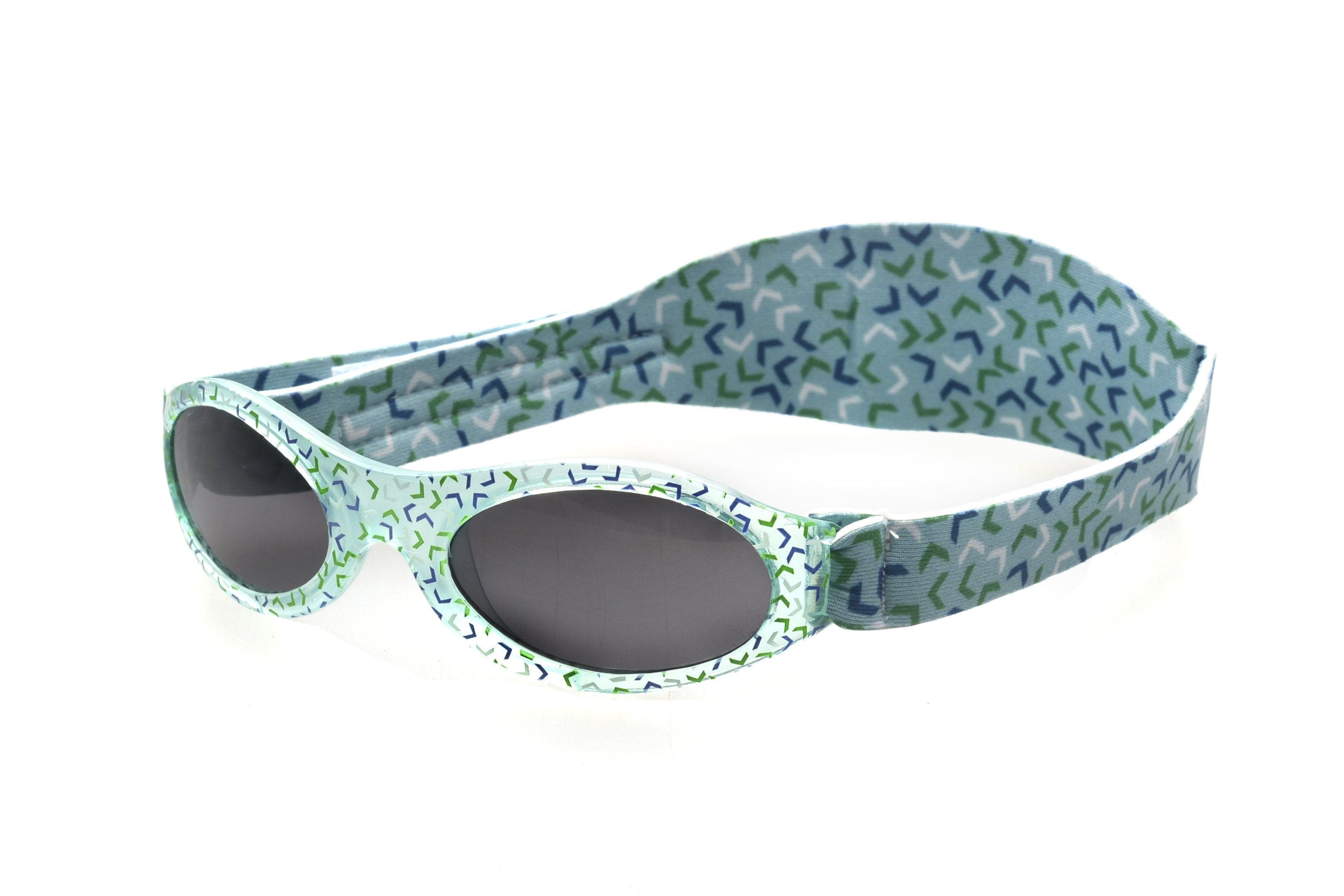
Conventional advice tends to stop at “get a sunshade,” which is only the first step, and often the weakest one if it’s a flimsy cling shade a toddler can peel off in a bored moment. The real gap is skin and eye coverage that survives an open window, a shifted shade, or a missed sunscreen reapplication. That’s UPF clothing, a hat that stays on, and sunglasses rated for UV, not just tinted lenses.
If you do one thing after reading this, check your actual UV index before assuming a cloudy day is a safe day, and treat your child’s car seat position as a fixed UV exposure point worth protecting the same way every single trip, not just on obviously sunny ones.
— Shari M. Murphy
Shop the Layered Protection Kit for Car Trips
BANZ® is built around exactly the layering this article recommends: gear that covers the gaps window film and shades leave behind, sized and rated for kids from infancy through the toddler years.
A few places to start, based on what your family drives with most:
- Childrens Sun Hats with UPF 50+ Protection with Pocket: stays secure through car seat naps and folds flat for the diaper bag.
- Childrens Sun Hats with UPF 50+ Protection with Toggle: adjustable fit for infants in rear-facing seats with limited headroom.
- Baby Hearing Protection Earmuffs & Wrap Around Sunglasses Combo Set: pairs UV eye protection with hearing protection for one travel-ready set.
- Kids Hearing Protection Earmuffs - Prints: for older kids who need noise protection on top of sun coverage during road trips and outdoor stops.
- Hello Sunshine Sunhat with Sequins: UPF 50+ coverage with a design older kids actually want to wear.
Sizes and prints move fast on the popular styles, so check current stock before you build your order, and confirm fit against your child’s head measurement listed on each product page. Add the layer your car currently lacks, and check out today to have it ready before your next drive.
Sources
- Car windows won’t protect you from UV rays | University of Utah Health
- UV window film | The Skin Cancer Foundation
- 3M light, sun & heat control films for post factory installations | 3M
Recommended
- UV Protect Your Kids: A Parent’s Complete 2026 Guide – BANZ® Carewear USA
- Best UV-Blocking Sunglasses for Children: Trusted Picks – BANZ® Carewear USA
- Winter Sun Protection: Why Your Kids Need It — Even on the Slopes – BANZ® Carewear USA
- How Sun Exposure Affects Your Child’s Eye Development – BANZ® Carewear USA