

TL;DR:
- Protecting children outdoors involves guarding against both harmful UV radiation and loud noise to prevent lifelong damage.
- Parents should use layered gear like UPF clothing, protective hats, and earmuffs while monitoring conditions with real-time apps.
Protecting kids outdoors means addressing two separate hazards at once: UV radiation and loud noise. Both cause cumulative, largely invisible damage that shows up years later. Here is the core list of UV and noise protection activities every parent needs before the next outdoor outing.
UV protection actions:
- Dress kids in UPF 50+ rated clothing, which blocks up to 98% of UV rays versus the 5–10% blocked by regular fabric
- Apply broad-spectrum sunscreen with SPF 15–50 using zinc oxide or titanium dioxide, especially on the face, ears, and neck
- Add a wide-brimmed hat and UV 400-rated sunglasses for full facial coverage
- Limit direct sun exposure during peak UV intensity hours
- Seek shade during beach outings, park visits, and lake days, particularly between swim sessions
Noise protection actions:
- Fit children with over-the-ear earmuffs rated with adequate noise reduction at loud events like fireworks, concerts, and air shows
- Skip earplugs for children under seven due to choking hazards and poor fit
- Schedule regular quiet breaks during prolonged noisy activities such as fairs and sporting events
- Treat any environment where a child must shout to be heard as a noise hazard requiring protection
Activities requiring combined protection: beach days, outdoor concerts, county fairs, fireworks displays, water parks, sports games, and playground sessions during peak UV hours. BANZ® designs gear specifically for these situations, combining UPF 50+ sun protection with highly rated noise-reduction earmuffs in products built for children’s smaller proportions.
Table of Contents
- How do you monitor UV and noise risks for kids outdoors?
- What gear covers both UV and noise protection for outdoor activities?
- What health risks come from skipping UV and noise protection in childhood?
- How can you build consistent UV and noise protection habits in kids?
- BANZ covers both UV and noise protection in one place
- Key Takeaways
How do you monitor UV and noise risks for kids outdoors?
Knowing when conditions are hazardous is half the job. UV index forecasts are available through the EPA’s UV Index app and the National Weather Service. Check the forecast before any outdoor activity, and plan shade breaks when the index hits 3 or above.
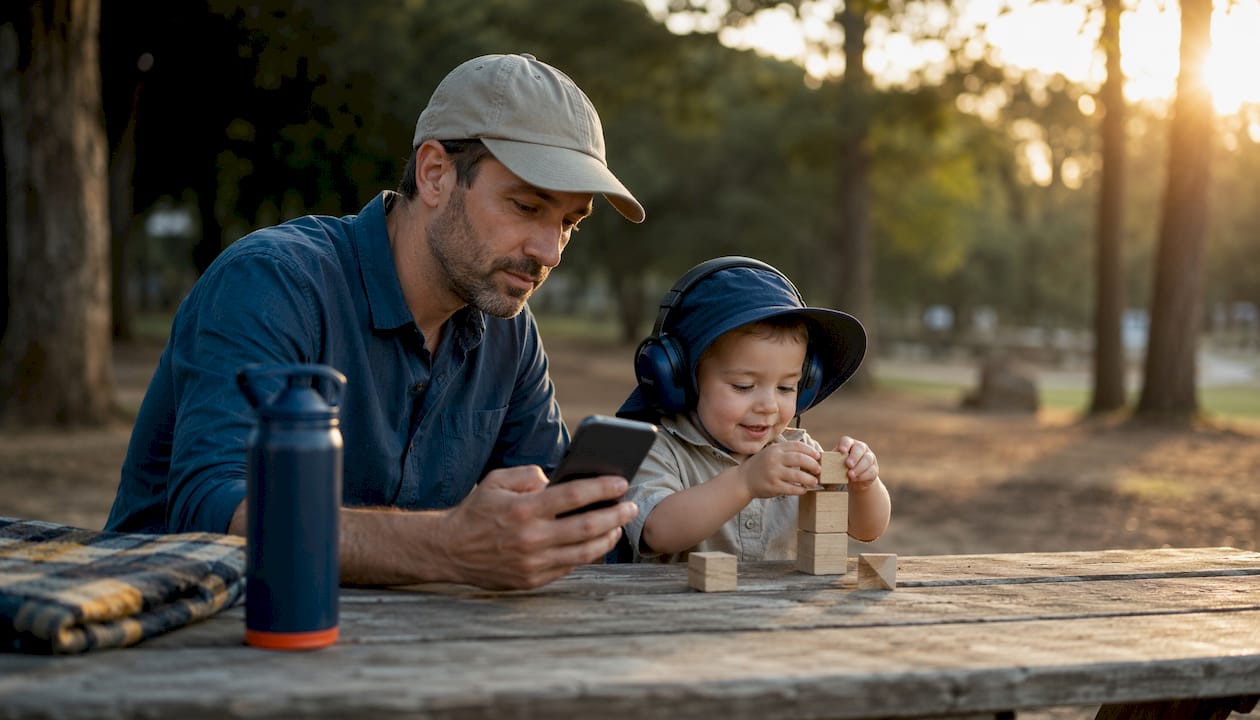
For noise, use a sound-level app like Decibel X on your phone. According to Dr. Fligor, a leading audiology expert, any environment where a child must shout to be heard is already at a harmful noise level. That single rule of thumb covers most situations without needing a precise decibel reading.
The free BANZ Protect app combines both functions, giving real-time UV and noise level feedback in one place. That lets you adjust your outdoor schedule or add protection on the fly rather than guessing.
Signs of UV overexposure to watch for:
- Skin redness, warmth, or blistering within hours of sun exposure
- Eye irritation or sensitivity to light after time outdoors
- Fatigue or dizziness during peak-sun outdoor sessions
Signs of noise overexposure:
- A child complaining of ringing ears or muffled hearing after an event
- Asking for louder TV volume than usual the day after a loud outing
- Irritability or headache following prolonged noise exposure
Pro Tip: Dr. Fligor recommends selecting earmuffs specifically sized for children’s smaller heads, with padded, adjustable bands. A poor fit reduces the effective noise reduction rating significantly, so check that the cups seal fully around your child’s ears before the event starts.
What gear covers both UV and noise protection for outdoor activities?
The right gear removes guesswork. Below is a practical list organized by protection type, with usage notes for each.
UV protection gear:
- UPF 50+ apparel: Long-sleeve rash guards and swim shirts for water activities; lightweight UPF hoodies for park and sports days. These do not wash off or need reapplication, making them more reliable than sunscreen alone during active play.
- Wide-brimmed hats: Minimum 3-inch brim with an adjustable chin strap. For toddlers, bucket-style hats with ear flaps work best. Letting older kids pick their own color or pattern improves how consistently they wear it.
- UV 400 sunglasses: Look for the “UV 400” label, not just tinted lenses. Tinted lenses without UV certification can actually increase eye damage by dilating pupils. Wrap-around frames with a neoprene strap keep them on active kids.
- Broad-spectrum sunscreen: SPF 30 or higher, water-resistant to 80 minutes for swim days. Apply 15–30 minutes before going out, and reapply every two hours or immediately after swimming.
Noise protection gear:
- Over-the-ear earmuffs (NRR 20–27+): The standard choice for children at loud summer events like fireworks and concerts, which can reach 140–160 dB. Look for padded, adjustable bands sized for children.
- Noise-limiting headphones: For everyday use or travel, headphones with a built-in volume cap around 85 dB reduce cumulative exposure without blocking all sound.
- Earplugs (ages 7+): Foam or flanged earplugs are an option for older children in sustained-noise environments, but only once the child is old enough to handle them safely.
BANZ® products sit at the intersection of both categories. Their earmuffs pair with UPF 50+ sun gear, and the BANZ Protect app ties real-time monitoring to the gear you already have. Parents managing both hazards at once can find combined UV and noise gear for toddlers through school-age kids in one place.
Pro Tip: Layer sun protection: start with UPF clothing as the base, add sunscreen on exposed skin, then add a hat and sunglasses. Earmuffs go on last, just before entering a loud environment. This sequence keeps each layer effective without one interfering with another.
What health risks come from skipping UV and noise protection in childhood?
The damage is not always visible right away, which is exactly why it compounds.
Childhood UV exposure is cumulative, and a single blistering sunburn before adulthood more than doubles melanoma risk later in life. Children’s skin is thinner and produces less melanin than adult skin, so it absorbs UV energy at a higher rate. Sun-safe habits formed early are among the most effective preventative health steps a parent can take.
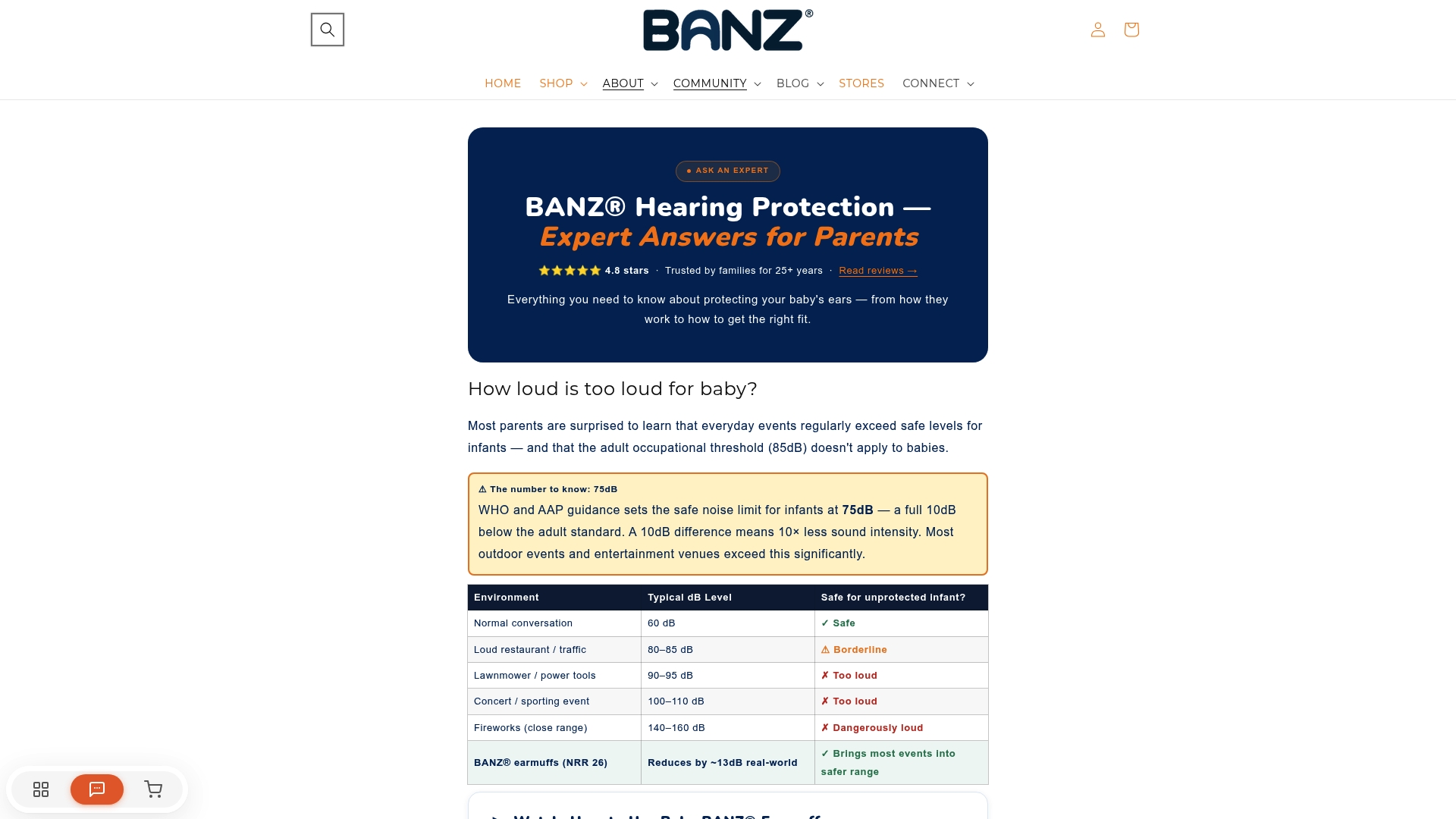
Noise damage is equally permanent. Children’s ears are especially vulnerable to sounds above 85 dB, roughly the volume of a hair dryer. Repeated exposure without protection causes irreversible hearing loss. Fireworks and outdoor concerts can produce extremely loud noise levels that risk immediate hearing damage, well past the threshold for immediate damage.
Early symptoms of noise-induced hearing loss include tinnitus (ringing in the ears), muffled hearing after events, and difficulty following conversations in noisy rooms. These often go unnoticed in young children who cannot articulate what they are experiencing. By the time a hearing test confirms loss, the damage is already done.
The case for starting both UV and noise protection early is straightforward: habits built in childhood tend to stick, and the health costs of not starting are permanent.
How can you build consistent UV and noise protection habits in kids?
Consistency is the real challenge. Kids resist gear they find uncomfortable or unfamiliar, and parents skip steps when routines are not locked in.
- Build a pre-outing checklist: Sunscreen, hat, sunglasses, and earmuffs go on the list alongside snacks and water. Treat protection gear as non-negotiable equipment, not an afterthought.
- Let kids choose their gear: Color options and fun patterns increase buy-in. A child who picked their own earmuffs is far more likely to keep them on. BANZ® offers multiple color options across its product lines for exactly this reason.
- Explain the “why” simply: Tell kids that sunscreen keeps their skin from hurting later, and earmuffs keep their ears working so they can hear music and friends. Age-appropriate explanations build understanding rather than resistance.
- Use positive reinforcement: Acknowledge when kids put on their gear without being asked. Small, consistent recognition works better than repeated reminders.
- Adjust for seasonal changes: UV risk peaks in summer but remains significant year-round. UV rays penetrate clouds and reflect off water, snow, and concrete. Revisit your protection checklist as seasons and activities change.
- Check gear fit regularly: Kids grow fast. Earmuffs that fit well last spring may no longer seal properly, and hats that once covered the ears may not anymore. A quick fit check before each season keeps protection effective.
For sun safety activities kids will actually participate in, pairing protection habits with outdoor play keeps the routine positive rather than restrictive.
BANZ covers both UV and noise protection in one place
Parents who want to stop managing two separate product searches will find BANZ worth a direct look. BANZ builds UPF 50+ sun gear and NRR-rated earmuffs designed specifically for children, from infants through school age, and has reached over 2 million families across six continents.
The free BANZ Protect app adds real-time UV and noise monitoring, so you know when conditions require action rather than guessing. Every product is sized for children’s proportions, with comfort and fit built in to improve how consistently kids actually wear their gear.
Visit the BANZ kids’ safety resource library for free UV and noise safety guides, or check the NRR vs. SNR guide to select the right hearing protection rating for your child’s next outdoor event.
Key Takeaways
Combined UV and noise protection requires layered gear, real-time monitoring, and consistent pre-outing routines to prevent cumulative, irreversible damage to children’s skin and hearing.
| Point | Details |
|---|---|
| UV exposure is cumulative | One blistering sunburn before adulthood more than doubles melanoma risk in later life. |
| Noise damage threshold | Children’s ears are vulnerable above 85 dB; fireworks and concerts can reach 140–160 dB. |
| Gear selection by age | Earplugs are not safe for children under seven; over-the-ear earmuffs are the correct choice. |
| Monitoring tools | The BANZ Protect app provides real-time UV and noise feedback to guide on-the-spot decisions. |
| BANZ for combined protection | BANZ offers UPF 50+ sun gear and NRR-rated earmuffs sized for children, backed by free safety resources. |
Recommended
- UV Protect Your Kids: A Parent’s Complete 2026 Guide – BANZ® Carewear USA
- UV Eye Protection for Children: A Resource for Eye Care Professionals – BANZ® Carewear USA
- UV Safety Resources & UV Index Guide for Kids | BANZ® – BANZ® Carewear USA
- Teaching UV Awareness to Kids: Real Health Benefits – BANZ® Carewear USA
